

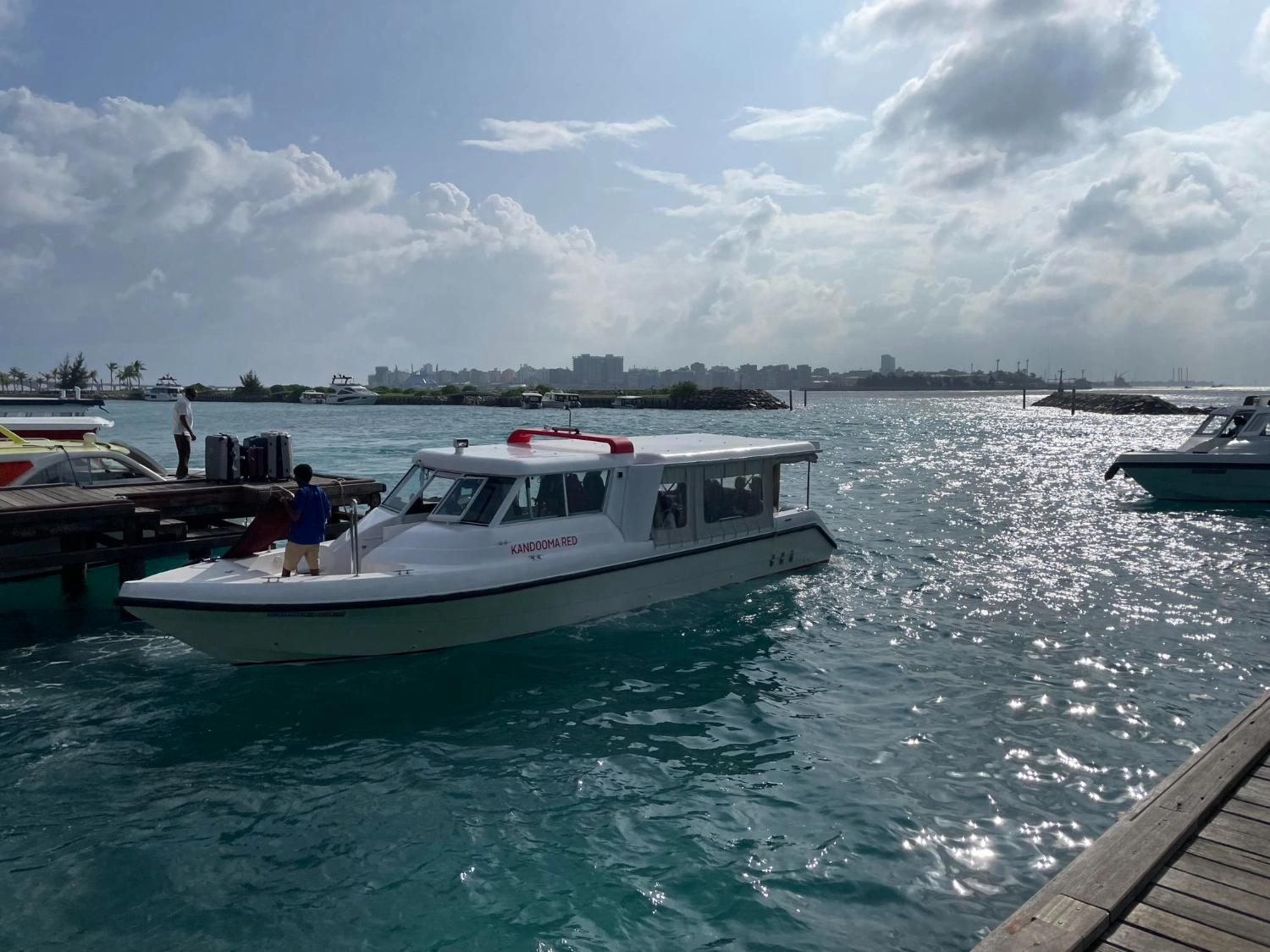
Boat Accident Lawyer in Miami
If you were injured on the water and need a boat accident lawyer in miami who understands boating laws and local waterways, the team at Romeo Gonzalez Law is ready to help. Miami’s coastline, Biscayne Bay, the Intracoastal, and nearby inlets attract thousands of boats, jet skis, and charter vessels every year. Unfortunately, crowded channels, inexperienced operators, alcohol use, and changing weather can turn a day on the water into a serious emergency in seconds. After a collision or incident on the water, you may be left with painful injuries, medical bills, and questions about who is responsible and how insurance will work.
Boating cases are different from typical car crashes. Liability may involve private boat owners, rental companies, charter operators, marinas, and even product manufacturers when equipment fails. Evidence can include Florida Fish and Wildlife Conservation Commission (FWC) or U.S. Coast Guard (USCG) reports, GPS tracks, phone and GoPro videos, and CCTV from marinas or waterfront restaurants. This evidence can disappear quickly if it is not preserved, especially when vessels are repaired or moved soon after the accident.
Florida law and, in some cases, maritime or admiralty rules can affect how and where your claim is handled. Many negligence-based claims have a two-year deadline, and Florida’s modified comparative negligence system may reduce recovery if you are partly at fault, especially if your percentage of responsibility exceeds fifty percent. Because these rules are complex and fact-specific, it is important to get advice tailored to your situation. We also understand how boating culture in Miami works in practice, from rental hot spots and tour operators to popular sandbars and party routes, and we use that local knowledge when investigating what went wrong.
From the moment you contact us, we begin securing reports, preserving digital data, and protecting your right to pursue compensation. We review how the crash happened, who may be responsible, and what insurance coverage may apply so you are not left guessing. We offer free consultations and charge no attorney’s fees unless we win your case.
Call (844) 225-5741 today to speak with a Miami boat accident attorney about your options.
Common Causes of Miami Boating Accidents
Boating accidents in Miami often share similar root causes. Operator inexperience is one of the most common. Many people rent or borrow vessels with little training, may not understand navigation rules, and fail to keep a proper lookout. They can misjudge distances, speeds, or channel markers, especially in busy areas like sandbars or inlet channels.
Speeding and reckless operation also play a major role. Excessive speed in congested areas, ignoring no-wake zones, or cutting too close to other vessels can lead to dangerous wake, loss of control, and collisions. Poor visibility at night or at dusk increases these risks even further.
Boating under the influence (BUI) is another frequent factor. Alcohol and drugs impair judgment, reaction time, and coordination, and they are especially dangerous on the water, where sun, heat, and motion already cause fatigue.
Navigation errors, mechanical failures, and maintenance issues can also cause crashes. Misreading channel markers, running aground, steering failures, or engine problems may result in sudden emergencies.
Rental mishaps are common when operators receive only brief orientations and are unfamiliar with the boat or local conditions. Personal watercraft (PWC) and jet ski collisions, as well as propeller injuries, often involve high speeds, tight maneuvering, and limited reaction time near swimmers or other vessels.
Florida & Maritime Basics
Florida law and, in some cases, maritime law may apply to boating and jet ski accidents. Many negligence-based claims in Florida must be filed within two years. Missing this deadline can seriously affect your ability to seek compensation. Because some maritime claims may have different deadlines or procedural rules, it is important to speak with an attorney who understands both systems rather than guessing which rules apply.
Florida follows a modified comparative negligence standard. Your compensation may be reduced according to your percentage of fault, and in some circumstances, being more than fifty percent at fault can prevent recovery. This makes careful investigation and evidence gathering essential, especially when multiple operators share responsibility.
Maritime or admiralty law may come into play when accidents occur on navigable waters or involve certain types of vessels or activities. These cases can raise questions about federal versus state court, but those decisions depend heavily on specific facts.
Some vessel owners or operators may try to invoke the federal Limitation of Liability Act, which can restrict recovery based on a vessel’s value. Whether this applies often turns on what the owner knew or should have known about the conditions leading to the accident. Rental waivers and release forms also appear frequently in boating cases, but their enforceability depends on wording, circumstances, and applicable law.
How a Miami Boat Accident Lawyer Builds Your Case
A boat accident lawyer in miami must gather technical and factual evidence quickly to build a strong claim. We begin by obtaining FWC or USCG accident reports, incident numbers, and 911 audio. We collect witness statements, photographs, and videos from phones, GoPro cameras, and on-board devices. Marina and waterfront restaurant CCTV can be crucial for showing how the collision occurred, vessel speeds, lighting conditions, and traffic in the area.
We also look at data and forensics. GPS tracks from chartplotters, phone location data, and app-based tracking can help reconstruct routes, speeds, and maneuvering before impact. When available, engine or ECU logs and vessel maintenance records may show whether mechanical issues contributed to the crash. Rental contracts, waivers, charter logs, and passenger manifests help clarify who was operating the vessel, who owned it, and what rules or safety briefings were given.
Scene and environmental conditions matter as well. We review weather data, tide charts, wave conditions, daylight and visibility, channel markers, and no-wake signage. Alcohol screens and bar or restaurant receipts may help clarify whether alcohol use contributed to unsafe operation.
Medical evidence is another key pillar. We coordinate with your doctors to document diagnosis, treatment, causation, limitations, and future care needs. We also gather wage-loss information, work restrictions, and evidence of how injuries affect daily life. From day one, we send preservation letters to rental companies, charter operators, marinas, bars with cameras, and vessel owners to prevent spoliation of critical digital and physical evidence.
Types of Boating & PWC Cases
Recreational Boats
Recreational boat crashes often involve center-console boats, bowriders, pontoons, or similar vessels used for leisure. Collisions may occur between moving boats, with fixed objects, or at low speeds near docks and marinas. Inadequate lookout, speed, or poor navigation are common factors.
PWC / Jet Ski Collisions
PWC and jet ski accidents often involve overtaking, crossing, and head-on collisions. Riders may have limited experience and operate at high speeds near other vessels or swimmers. A jet ski accident lawyer miami will focus on operator training, rental procedures, and adherence to no-wake or restricted areas.
Charter and Tour Boats
Charter and tour boat cases include snorkeling excursions, fishing charters, party boats, and sightseeing tours. Issues may involve overcrowding, inadequate safety briefings, poor crew supervision, or unsafe decision-making by the captain.
Parasailing and Tow-Sports
Parasailing, tubing, and wakeboarding incidents are highly fact-specific. They can involve tow-line failures, sudden maneuvers, weather changes, or poor communication between operators and participants.
Propeller Strike and Man-Overboard
Propeller injuries and man-overboard situations often require analysis of lookout duties, engine shut-off procedures, and safe-speed requirements in crowded or shallow waters.
Marina and Dockside Injuries
Injuries at marinas and docks can involve premises liability elements. Slippery surfaces, inadequate lighting, damaged docks, or poorly maintained walkways may contribute to falls and other incidents.
Damages You May Recover
In a boating or jet ski accident case, you may be able to recover compensation for medical bills, both past and future, related to emergency care, follow-up visits, rehabilitation, and ongoing treatment. Lost wages and loss of earning capacity are also key elements when injuries prevent you from returning to work or restrict your career path.
You may seek damages for pain and suffering, emotional distress, and loss of enjoyment of life, especially when injuries limit your ability to participate in activities you once enjoyed. Property damage, including repairs or replacement of your boat, jet ski, or personal gear, may also be included.
For serious or catastrophic injuries, additional damages may involve assistive devices, home or vehicle modifications, attendant care, and long-term life-care planning. Each case is unique, and the value depends on liability, available insurance coverage, and the full impact of the injuries on your life.
What to Do After a Boating or Jet Ski Accident
- Seek medical care immediately and follow all treatment recommendations.
- Report the accident to FWC or USCG as required and obtain the incident or report number.
- Take photos of all vessels, damage, propellers, safety gear, and visible injuries.
- Identify channel markers, buoys, or landmarks that show where the crash happened.
- Save GPS tracks, app data, or screenshots from navigation tools.
- Collect names, phone numbers, and contact information for all witnesses.
- Ask nearby marinas, docks, or waterfront businesses if they have CCTV footage.
- Keep all medical bills, receipts, and a journal describing pain and recovery.
- Avoid giving recorded statements or signing documents without legal advice.
- Contact a boat accident lawyer in miami promptly and request preservation of rental, charter, and digital records.
FAQs – Boat Accident Lawyer in Miami
Whether maritime or admiralty law applies depends on where and how the accident occurred, as well as the type of vessel and activity involved. Some cases may be handled under state law only, while others may fall under federal maritime rules or a combination of both. Maritime law can affect issues such as jurisdiction, available remedies, and limitation of liability. Because these questions are highly fact-specific, it is important not to assume which rules apply based on general information. A miami boat accident attorney can review the location, vessel type, and circumstances to help determine how the law may affect your claim.
Many negligence-based boating and jet ski claims in Florida must be filed within two years, but some maritime or federal rules may create different timelines or requirements. Missing an applicable deadline can severely limit or eliminate your ability to recover compensation. Evidence in boating cases, including FWC or USCG reports, GPS tracks, and marina video, can also disappear fairly quickly. For that reason, it is best to contact a boating accident lawyer miami as soon as possible after the incident. An attorney can help identify which deadlines apply to your specific case and take steps to preserve critical evidence.
Rental waivers are common in boat and jet ski rentals, but they are not always the final word. Their impact depends on how they are written, which state or maritime laws apply, who was negligent, and whether the waiver covers the specific situation that occurred. Some waivers may be challenged based on language, scope, or public policy concerns. Others may not protect the company from responsibility for certain types of conduct. A lawyer can review the waiver, the rental contract, and the facts of your accident to help assess how much impact the document may have on your claim.
Not wearing a life jacket does not automatically prevent you from seeking compensation. The key issues are who caused the accident, whether safety rules were followed, and how injuries occurred. Insurance companies may argue that failing to wear a life jacket contributed to harm, especially in drowning or near-drowning cases. Florida’s modified comparative negligence rules may come into play, and any fault attributed to you could affect the amount recovered. Each case is unique, so it is important to have a detailed review of the facts, including boat speed, conditions, and the actions of all operators involved.
In many boating accidents, more than one operator shares responsibility. One vessel may have been speeding, while the other failed to maintain a proper lookout or yield. Florida’s modified comparative negligence system allows compensation even when fault is shared, as long as your percentage of responsibility does not exceed certain thresholds. Your compensation may be reduced according to your share of fault. A pwc accident lawyer miami or boat injury attorney will work to gather FWC/USCG reports, witness statements, GPS tracks, and video evidence to accurately reconstruct the collision and challenge any unfair attempts to place excessive blame on you.
Hit-and-run incidents can occur on the water just as they do on roads. When the other vessel leaves the scene, identifying the operator can be challenging. However, there may still be options. Investigators may review FWC or USCG reports, marina video, phone footage, and witnesses to track down the responsible party. In some cases, certain insurance policies may provide coverage even if the at-fault vessel is not identified, depending on the terms of the policy and the facts of the case. Because these situations are complex, it is important to speak with an attorney promptly.
In some cases, yes. Rental and charter companies may be liable if they fail to maintain vessels, ignore safety rules, provide inadequate instruction, or allow obviously unfit operators to take control of boats or PWCs. Whether a claim can be brought against a company depends on the facts, contracts, and applicable law, including any waivers. A charter boat injury lawyer miami will examine maintenance records, training procedures, safety briefings, staffing, and prior incident history to determine whether the company contributed to the accident. Each situation is fact-specific and requires careful review.
In some cases, yes. Rental and charter companies may be liable if they fail to maintain vessels, ignore safety rules, provide inadequate instruction, or allow obviously unfit operators to take control of boats or PWCs. Whether a claim can be brought against a company depends on the facts, contracts, and applicable law, including any waivers. A charter boat injury lawyer miami will examine maintenance records, training procedures, safety briefings, staffing, and prior incident history to determine whether the company contributed to the accident. Each situation is fact-specific and requires careful review.
Free Consultation
If you were injured in a boating or jet ski accident on Biscayne Bay, the Intracoastal, or anywhere in Miami-Dade County, you do not have to face the aftermath alone. Our boat accident lawyer in miami is ready to review your case, answer your questions, and guide you through the next steps. We offer free consultations and handle all cases on a no fee unless we win basis.
You can also contact us through the short form on this page with your name, email, phone number, subject, and a brief description of what happened.
Let us focus on the legal and insurance issues while you focus on healing.
DISCLAIMER LEGAL
This website does not provide legal advice. Information is for general purposes only. Consult an attorney for guidance specific to your situation.
Practice Areas
- Miami Personal Injury Lawyer
- Miami Car Accident Lawyer
- Slip and Fall Attorney in Miami
- Truck Accident Lawyer in Miami
- Construction Accident Lawyer in Miami
- Motorcycle Accident Lawyer in Miami
- Uber Accident Lawyer in Miami
- Boat Accident Lawyer in Miami
- Bicycle Accident Lawyer in Miami
- Workers’ Compensation Lawyer in Miami