

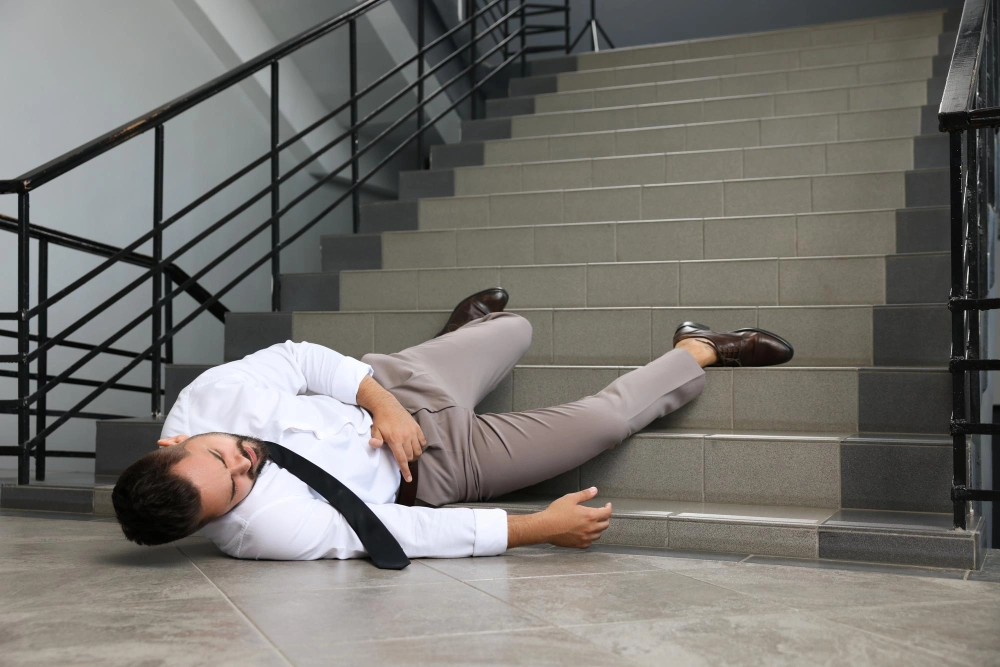
Slip and Fall Attorney in Miami
If you were injured and need a slip and fall attorney in Miami who understands how premises liability cases work and can protect your rights from the beginning, our team at Romeo Gonzalez Law is here to help. Slip and fall accidents in Miami happen in supermarkets, restaurants, retail stores, hotels, condominiums, parking lots, hospitals, and many other locations. These incidents can lead to significant injuries such as fractures, sprains, spinal issues, head trauma, and long-term mobility problems. Whether the fall occurred due to a wet floor, poor lighting, uneven surfaces, loose carpeting, or a hazardous condition that should have been addressed, you deserve to understand your legal options clearly.
Property owners and businesses in Florida must maintain their premises in reasonably safe condition. This includes fixing known hazards, inspecting the property regularly, and warning visitors of potential dangers. In many slip and fall cases, the central issue is notice, meaning whether the business knew or should have known about the dangerous condition. Real notice means the hazard was actually known to employees or management. Constructive notice means the hazard existed long enough, or occurred frequently enough, that the business should have discovered it through proper inspections. Understanding these concepts is key to building a strong case.
Preserving evidence is one of the most important steps after a slip and fall accident. Surveillance footage, cleaning logs, incident reports, witness statements, and even the shoes or clothing you wore can become crucial pieces of evidence. Because businesses often overwrite CCTV footage within days, acting quickly can make the difference between a strong case and one that is harder to prove. Our firm sends preservation letters immediately to prevent spoliation, ensuring that key records and video are not destroyed.
If you are unsure about your next step, we offer free consultations to help you understand your rights. You pay nothing upfront and no attorney fees unless we win your case.
Call (844) 225-5741 today to speak with a Miami personal injury lawyer and understand your legal options clearly.
What Is a Slip and Fall Claim in Florida?
A slip and fall claim is a type of premises liability case where an injured person seeks compensation from a property owner or business that failed to keep the environment reasonably safe. In Florida, property owners owe a duty of care to visitors. This means they must inspect the property, repair dangerous conditions, and provide warnings when hazards cannot be fixed immediately. When they fail to do so, and someone is injured as a result, the property owner may be legally responsible.
The core elements of negligence in a slip and fall case are duty, breach, causation, and damages. Duty refers to the property owner’s obligation to maintain safety. Breach occurs when they fail to meet that obligation. Causation means the unsafe condition directly caused your injury. Damages represent the physical, emotional, and financial harm you suffered.
Notice is a central issue. Real notice means employees actually knew about the hazard. Constructive notice means the hazard existed long enough that they should have discovered it through routine inspections. Florida law often requires showing that the business had either real or constructive notice of the dangerous condition.
Common Hazards in Miami Premises
Slip and fall accidents in Miami can occur due to a variety of hazards, many of which result from poor maintenance or inadequate safety protocols. Common hazards include wet floors from spills, leaks from refrigeration units, rainwater near entrances, uneven flooring, broken tiles, loose carpets or rugs, poor lighting in hallways or staircases, cluttered walkways, unsafe stairs, potholes or cracks in parking lots, and slippery sidewalks during humid or rainy conditions.
Typical Business Locations
Supermarkets, retail stores, restaurants and bars, hotels, condominiums, apartment complexes, parking lots, medical facilities, and hospitals are frequent locations for slip and fall injuries. These businesses have responsibilities to inspect their premises regularly, clean spills promptly, repair hazards, and maintain proper lighting.
How a Miami Slip and Fall Lawyer Builds Your Case
Building a strong slip and fall case requires gathering detailed evidence and proving notice. Our investigation typically begins with obtaining the incident report from the business and sending a preservation letter to prevent the destruction of CCTV footage and cleaning logs. We collect photographs, witness statements, maintenance records, inspection logs, and any internal policies related to safety. We also encourage clients to preserve the clothes and shoes worn during the fall, as these can help show how the hazard caused the accident.
Medical evidence is equally important. We gather diagnostic reports, MRI or X-ray results, treatment plans, physical therapy notes, and long-term prognoses. These documents help establish causation, continuity of care, and the severity of injuries. When necessary, we work with medical experts to explain how the fall caused your condition and what to expect in the future.
Damages in slip and fall cases include medical bills, lost wages, reduced earning capacity, pain and suffering, emotional distress, and out-of-pocket costs. By combining evidence of liability and detailed documentation of damages, we prepare a comprehensive demand for the insurance company. If negotiations fail, we are prepared to file a lawsuit and present your case in court.
Florida Law (Deadlines & Fault Rules)
Statute of Limitations (2 Years)
Florida gives injured individuals two years from the date of the accident to file a slip and fall lawsuit based on negligence. Missing this deadline typically results in losing the right to recover damages. Because evidence such as video footage and cleaning logs can be lost quickly, it is crucial to act promptly
Modified Comparative Negligence (51 Percent Rule)
Under Florida’s modified comparative negligence rule, you may recover compensation if you are 50 percent or less at fault. If you are more than 50 percent responsible for the fall, you cannot recover damages. Your compensation is reduced according to your percentage of fault. Property owners often argue that victims were distracted or not watching their step, making skilled legal representation essential.
Open and Obvious Doctrine
Florida’s open and obvious doctrine states that if a hazard is clearly visible, the property owner may have less responsibility to warn about it. However, this does not automatically eliminate their liability. Even an obvious hazard can still create risk if the property owner fails to repair it within a reasonable time.
Steps to Take After a Slip and Fall
- Seek medical attention as soon as possible
- Report the incident to the business or property owner
- Request a copy or reference number for the incident report
- Photograph the hazard, surroundings, and your injuries
- Keep the clothes and shoes you wore during the fall
- Collect witness names and contact information
- Request preservation of the CCTV footage
- Do not give recorded statements to insurance companies
- Do not sign releases without legal advice
- Contact a slip and fall attorney in Miami promptly
Damages You May Recover
- Medical expenses (past and future)
- Lost wages
- Loss of earning capacity
- Pain and suffering
- Emotional distress
- Out-of-pocket costs
- Long-term disability or impairment
- Wrongful death damages (when applicable)
FAQs – Slip and Fall Attorney in Miami
Proving notice is one of the most important steps in a slip and fall case. Notice means showing that the business either knew about the hazard (real notice) or should have known about it because it existed long enough to be discovered through proper inspections (constructive notice). Evidence can include CCTV footage, cleaning logs, incident reports, employee statements, and witness accounts. We send preservation letters immediately to prevent businesses from deleting video or altering records. By collecting and analyzing these materials, we build a strong case demonstrating that the store failed to take reasonable steps to keep the property safe.
A warning sign can affect the analysis, but it does not automatically eliminate the property owner’s responsibility. The placement, visibility, and adequacy of the sign all matter. For example, a sign placed far from the hazard or hidden behind objects may not provide meaningful warning. Additionally, businesses must still maintain safe conditions, even when signs are present. In some cases, businesses rely on signs instead of fixing the underlying problem. We investigate the scene, review video footage, and analyze safety practices to determine whether the warning was appropriate and whether the hazard should have been prevented in the first place.
Florida’s statute of limitations for negligence-based slip and fall claims is generally two years from the date of the accident. If you file after the deadline, the court will likely dismiss your claim, and you will lose the right to seek compensation. Because video footage and maintenance records can be overwritten or lost quickly, it is important to act as soon as possible. Speaking with a Miami slip and fall lawyer early helps ensure that evidence is preserved and that legal deadlines are met. Early action can significantly strengthen your case and improve your chances of a successful recovery.
Yes, you may still have a case. Florida follows a modified comparative negligence system, meaning your compensation is reduced based on your percentage of fault, but only if you are 50 percent or less responsible. Property owners often argue that victims were distracted, but this does not eliminate their duty to maintain safe conditions. Even if you were not looking directly at the ground, a business can still be liable if they failed to clean a spill, repair a hazard, or provide adequate lighting. We gather evidence to show the property owner’s role in creating or allowing the danger.
Video footage is often critical in slip and fall cases, but businesses sometimes delete it within days. If evidence was destroyed after receiving a preservation request, the court may apply spoliation rules, which can work in your favor. Even without video, we rely on cleaning logs, maintenance records, witness statements, photographs, and incident reports to build a strong case. Shoes and clothing worn during the fall can also provide valuable information. Acting quickly is essential, and we send preservation letters immediately to protect your rights and prevent destruction of key evidence.
The value of a slip and fall case depends on several factors, including the severity of your injuries, medical treatment, future care needs, lost wages, pain, emotional distress, and whether long-term limitations affect your daily life. Insurance companies often downplay injuries or argue that victims were partially at fault. After reviewing your medical records, incident details, and long-term prognosis, we estimate a fair range based on similar Miami cases. Our goal is to pursue compensation that reflects both immediate losses and future needs, ensuring you receive support for the full impact of the accident.
Free Consultation
If you were injured in a slip and fall accident in Miami, you do not need to handle the aftermath alone. Our Miami slip and fall attorney is ready to review your case, answer your questions, and guide you through the next steps. We offer free consultations and handle all cases on a no fee unless we win basis.
Let us handle the legal work while you focus on your recovery.
DISCLAIMER LEGAL
This website does not provide legal advice. Information is for general purposes only. Consult an attorney for guidance specific to your situation.
Practice Areas
- Miami Personal Injury Lawyer
- Miami Car Accident Lawyer
- Slip and Fall Attorney in Miami
- Truck Accident Lawyer in Miami
- Construction Accident Lawyer in Miami
- Motorcycle Accident Lawyer in Miami
- Uber Accident Lawyer in Miami
- Boat Accident Lawyer in Miami
- Bicycle Accident Lawyer in Miami
- Workers’ Compensation Lawyer in Miami