

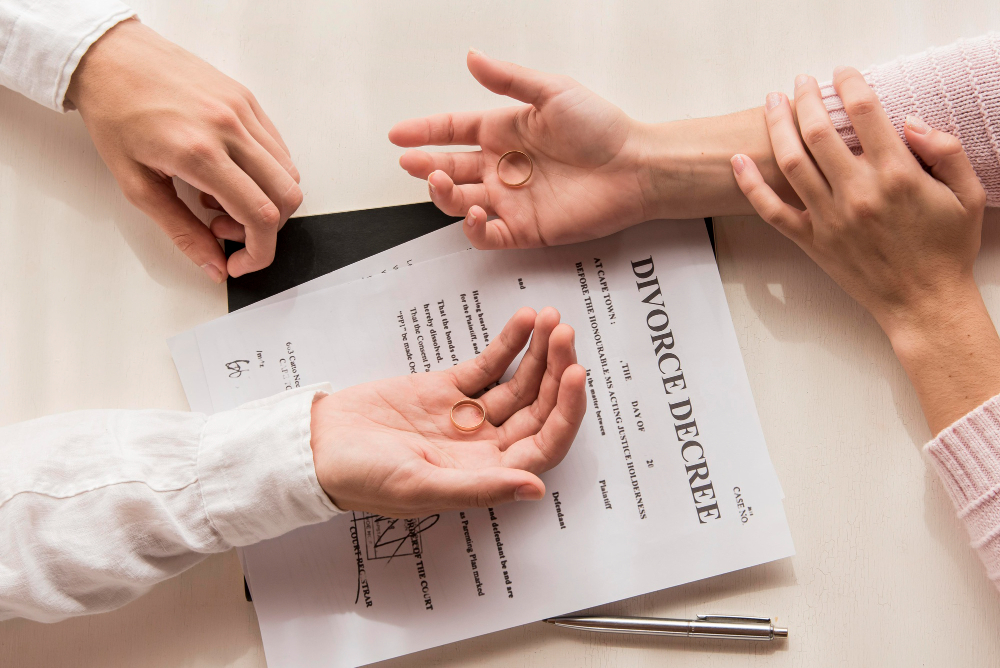
Uncontested Divorce in Miami
If you and your spouse are able to agree on the major issues in your case, an uncontested divorce in miami may provide a faster, simpler, and less stressful way to end your marriage. In an uncontested divorce, both spouses reach agreement on property, debts, parenting plans, and support before asking the court for a final judgment. This process can reduce conflict and uncertainty, but it still involves important legal documents and court approval. At Romeo Gonzalez Law, we help you move through the process efficiently while making sure your rights and responsibilities are clearly addressed.
Uncontested divorce may be an option when couples communicate respectfully or simply wish to avoid lengthy litigation. It is also common for couples who have already separated and reached informal agreements but need those terms made official. Even in amicable situations, guidance can help avoid mistakes that later cause delays or disputes.
Schedule a confidential consultation about uncontested divorce today.
What Is an Uncontested Divorce?
An uncontested divorce means both spouses agree on all required terms of the divorce, including:
- Division of assets and debts
- Timesharing and parenting plans (if children)
- Child support
- Alimony, if any
When it makes sense
- Communication is workable
- Both spouses want to avoid court battles
- Financial information is exchanged transparently
- Both are willing to sign written agreements
Benefits may include:
- Fewer hearings
- Lower emotional stress
- More predictable timelines
- Greater control over outcomes
What Is an Uncontested Divorce?
Uncontested divorce is not appropriate in cases involving domestic violence, intimidation, hidden assets, or situations where one spouse cannot safely negotiate.
Are You Eligible?
Basic requirements generally include:
Residency
At least one spouse must meet Florida residency requirements before filing.
Full agreement
You and your spouse must agree on every major issue. If any single issue remains contested, the case may not qualify as uncontested.
Financial disclosures
Florida usually requires mandatory financial disclosure, including income, assets, debts, and expenses.
Children
If you share minor children:
- A parenting plan is required
- Child support must follow Florida guidelines (or justified deviations)
Court review
Even in uncontested cases, a judge reviews agreements to ensure they comply with Florida law and serve the best interests of any children involved.
How the Process Works (Step-by-Step)
While each case is unique, the process typically includes:
1. Initial consultation and information gathering
We review goals, eligibility, and whether uncontested divorce is realistic.
2. Financial disclosures
Spouses exchange required documentation.
3. Drafting the marital settlement agreement
This written document includes property division, debts, support, and other terms.
4. Parenting plan (if children)
Timesharing schedules, decision-making, communication, holidays, and travel.
5. Filing paperwork with the court
Petition, agreements, and supporting documents are filed.
6. Final hearing or judge review
Some uncontested divorces require a brief hearing; others may be approved based on paperwork, depending on the court’s procedures.
Timelines & Documents
Timelines
Uncontested divorce may resolve more quickly than contested cases, but timing still depends on:
- Court scheduling
- Accuracy of paperwork
- Whether children are involved
- Whether all agreements are complete
Documents commonly involved include:
- Petition for Dissolution of Marriage
- Financial affidavits
- Marital Settlement Agreement
- Parenting Plan (if applicable)
Signatures and notarization
Many documents require notarization. Remote notarization and e-filing may be available depending on court rules.
Costs & Practical Tips
Typical cost categories (no specific quotes):
- Court filing fees
- Process service fees (if required)
- Parenting course fees (if children)
- Legal fees depending on complexity
Ways to keep the process efficient:
- Respond promptly to document requests
- Organize financial records earl
- Avoid emotional escalation in messages
- Put agreements in writing
- Consider mediation when stuck on a single issue
Mediation can be especially useful when spouses agree “in principle” but need help resolving final details.
What if We Disagree on Something?
Options include:
- Negotiation through attorneys
- Mediation with a neutral mediator
- Temporary compromise to keep progress moving
If disagreement cannot be resolved, the case may convert to a contested divorce. This does not mean you failed; it simply means a judge must decide certain issues.
How a Miami Uncontested Divorce Lawyer Helps
A miami uncontested divorce attorney may assist with:
- Evaluating whether your case qualifies
- Drafting clear and enforceable agreements
- Preparing and filing court paperwork
- Coordinating parenting plans and child support
- Avoiding mistakes that cause delays
- Communicating with the other spouse or counsel
- Ensuring final orders reflect your agreement
We focus on efficiency and clarity while protecting your legal interests. No outcome can be guaranteed, but experienced guidance may help the process feel more manageable.
What To Do Next
You may wish to:
- Gather financial documents and tax returns
- List assets and debts
- Outline a parenting plan if you have children
- Confirm current mailing addresses
- Consider your short- and long-term financial goals
- Schedule a consultation to review whether uncontested divorce is appropriate
FAQs – Uncontested Divorce in Miami
Timeframes vary. Many uncontested divorces resolve faster than contested cases, but the schedule still depends on court calendars, accuracy of paperwork, and whether children or complex assets are involved. Your case may move more smoothly when both spouses respond promptly and documents are complete.
Sometimes. Some uncontested divorces require a short final hearing, while others may be finalized based on submitted paperwork, depending on court procedures and whether minor children are involved. Your attorney can explain what is currently required in Miami-Dade.
You may still pursue an uncontested approach if that issue can be resolved through negotiation or mediation. If agreement cannot be reached, the case may proceed as contested on that issue. Many couples begin contested and later settle, or vice-versa.
Costs vary depending on filing fees, document needs, and whether attorneys or mediators are involved. Uncontested divorces generally cost less than contested cases, but exact figures depend on your situation. We can explain common cost categories without giving fee quotes online.
Yes, in most uncontested divorces, the agreement is essential. It outlines property division, debts, alimony (if any), and other terms. Judges rely on this document when entering the final judgment, so clarity and accuracy are important.
Yes, but additional requirements apply. You will need a parenting plan, child support must follow Florida guidelines (or justified deviation), and both parents typically must complete a parenting course. Courts always apply the “best interests of the child” standard.
Yes. If disagreements arise before the final judgment or new issues are discovered, the case can shift to contested status. This may involve hearings and additional filings. Staying organized and communicating early may reduce the chance of conversion.
Not necessarily. Uncontested divorce may not be appropriate where there is intimidation, lack of transparency, domestic violence, or hidden assets. Safety and fairness come first.
Free Consultation
If you and your spouse are ready to move forward respectfully, an uncontested divorce in miami may offer a clearer and more efficient path to resolution. You do not have to manage the paperwork and court process alone.
Contact Romeo Gonzalez Law today for a confidential consultation about uncontested divorce, settlement agreements, or parenting plans in Miami-Dade County.
You may also fill out the short contact form on this page.
DISCLAIMER LEGAL
This page is for general informational purposes only and does not constitute legal advice. Reading it does not create an attorney–client relationship. Legal outcomes depend on your specific facts and court rulings. For advice about your situation, consult a licensed Florida family law attorney.